Heartfelt moments with Full House while we decorate the tree π

Heartfelt moments with Full House while we decorate the tree π

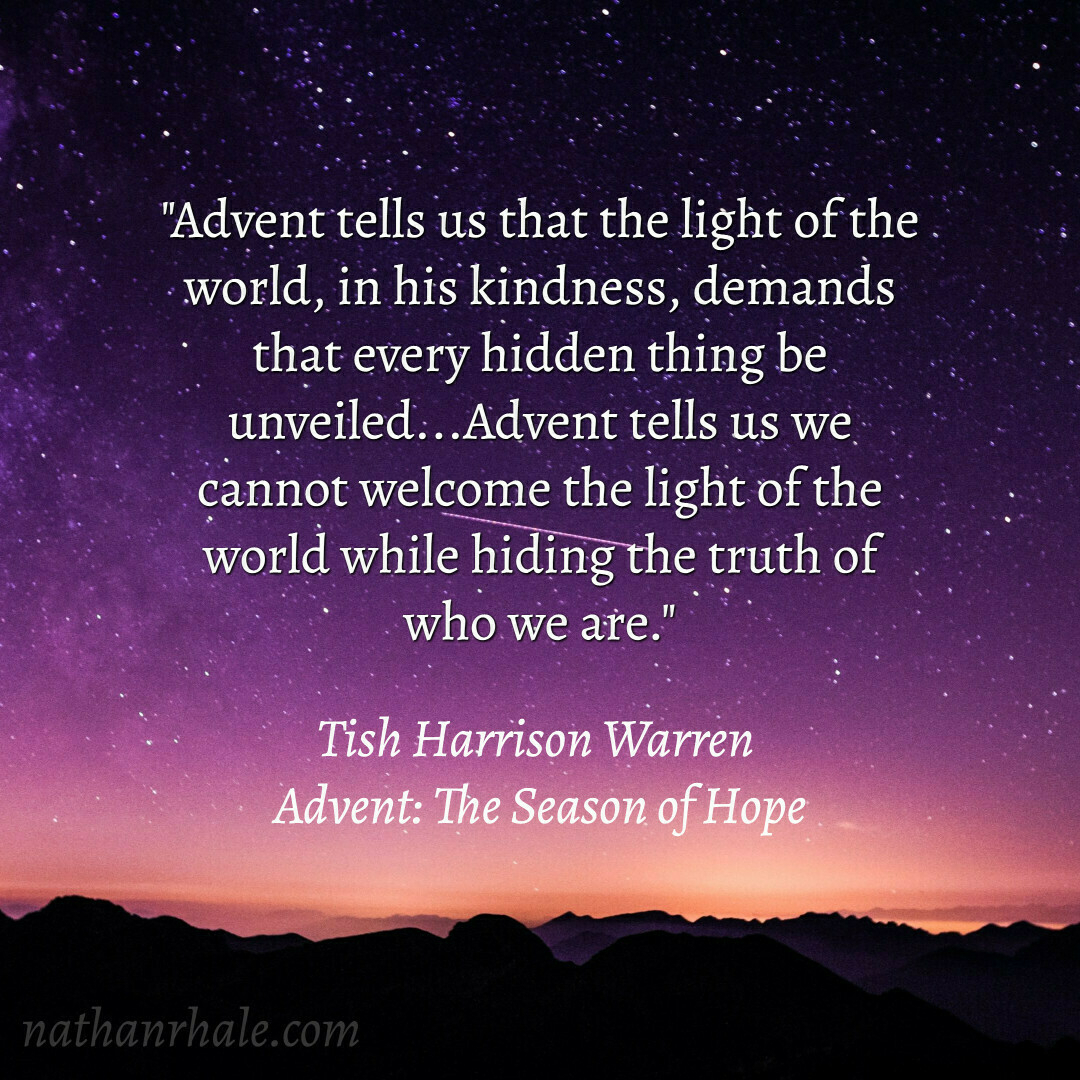
π Advent: The Season of Hope by Tish Harrison Warren
I’m refreshing my web development skills and going back to basics. Taking this course and realizing I have a lot to learn but really enjoying dreaming about the things I will be able to make!
This looks to be a useful tool – it generates a table of contents for you from a Markdown document.

Morning Prayer today with another local priest. Have been saying the Morning Office Monday – Thursday in the chapel at DMAC since getting back from vacation over the summer, and it’s been a fruitful habit to return to.
Saturday, and then again Monday: small signs that God provides.
An unexpected oblation: a small prayer book.
A surprise act of thoughtfulness: a stump pulled in the yard, the hole covered with fresh earth (for the children).
In the midst of a pressurized season that seems to have gone on forever already,
these were moments of lightness and grace.
I’m using AI weekly for evaluating texts, coming up with ideas, video editing and more!

The rise of artificial intelligence is changing many industries, including blogging and content creation. AI tools like ChatGPT can now generate entire blog posts and articles at the touch of a button. This has sparked an ethical debate – should we allow machines to write content meant for human audiences?
On one hand, AI promises several benefits for bloggers and content creators. It can help generate drafts and ideas far faster than humans could. For bloggers who need to produce a lot of content regularly, AI could significantly boost their productivity. It also lowers the barrier for creating high-quality content, allowing more people to become bloggers and citizen journalists.
However, there are also risks associated with over-relying on AI for content creation. Here are some key ethical concerns:
AI tools work by analyzing vast datasets of existing writing and learning to imitate styles and patterns. This means AI-generated text risks being unoriginal or plagiarizing others’ work. Even if the AI doesn’t copy verbatim, its output could still fail to bring a unique perspective. This goes against the expectations of readers who want authentic, original content from bloggers.
Unlike human writers, AI lacks real-world knowledge and reasoning skills. As a result, its writing could contain false information, unverified facts, or logical errors. This becomes especially problematic for content on specialized or technical topics. Relying solely on AI could erode the accuracy and quality that readers expect from expert bloggers.
Many feel bloggers should be transparent if they use AI writing assistants. However, currently there are no standards or regulations requiring disclosure of AI use. Readers could be misled into thinking a blog’s content was written by a human when it was actually machine-generated. This violates principles of authenticity and transparency.
Widespread adoption of AI content could disrupt the economics of blogging. For example, some estimates suggest AI could replace up to 20% of content marketing jobs. Over-reliance on AI could put professional freelance writers and other content creators out of work. This economic impact needs to be handled responsibly.
Some argue AI-generated content lacks the creativity, style, and voice that human writers bring. While AI can expertly imitate writing, it cannot yet truly understand emotions or inject a unique personality into text. Prioritizing machine-written content could undermine the aspects of blogging that celebrate human creativity.
Use AI tools thoughtfully as assistants, not full replacements for human writing. Allow humans to direct the creative process and provide quality control.
Edit and build upon AI-generated drafts instead of publishing the raw output untouched. Bring your own perspective.
Avoid using AI for specialized, technical topics. Focus on using it for more general or conversational blog content instead.
Disclose if a blog post was assisted by AI. Be transparent about the creative process.
Support and collaborate with human writers, editors, analysts who augment AI capabilities.
Develop regulations to ensure AI doesn’t undermine content quality, economics, or trust.
With the right framework, AI and humans can ethically co-create blog content that meets readers’ expectations. But we must thoughtfully weigh the risks and responsibilities as AI capabilities grow. The principles of creativity, transparency and authenticity should drive how AI is integrated into blogging – not just efficiency and productivity.
Currently reading: Gardens of the Moon: Book One of The Malazan Book of the Fallen by Steven Erikson π
I have no idea what’s going on so far (it’s one of those books that just drops you in to world with little-to-no explanation) but it is interesting enough for me to keep going. If I’m not invested by the 25% mark, I’ll let it go.